Lab-Grown vs. Mined Diamonds: What’s the Difference?
When choosing diamond jewelry today, shoppers have more options than ever. One of the biggest decisions is whether to select a lab-grown diamond or a mined diamond.
Both can be beautiful. Both can be durable. Both can deliver the unmistakable brilliance we associate with a diamond. The most important difference is not what you see when you wear one—it is how the diamond was created and what you value most in your purchase.
Here is a clear look at lab-grown diamonds versus mined diamonds, along with the reasons many women are choosing lab-grown diamond jewelry for modern, everyday luxury.
First: Are Lab-Grown Diamonds Real Diamonds?
Yes. Lab-grown diamonds are real diamonds—not cubic zirconia, moissanite, or another diamond imitation. According to the Gemological Institute of America (GIA), laboratory-grown diamonds possess essentially the same chemical, physical, and optical properties as natural diamonds. Both are made of crystallized carbon, both reach 10 on the Mohs hardness scale, and both display the fire, brilliance, and sparkle expected from a diamond.
In ordinary wear, the difference cannot be reliably identified just by looking at the stone. Because the distinctions are subtle, trained gemologists use specialized equipment to determine whether a diamond formed in the earth or in a laboratory.
The Main Difference Is Origin
Mined diamonds formed deep within the earth under intense heat and pressure, typically over millions or even billions of years. They eventually traveled closer to the earth’s surface through geological activity and are recovered through mining.
Lab-grown diamonds are created in a controlled environment using advanced technology that recreates the conditions under which diamonds develop. The two principal methods are High Pressure High Temperature, known as HPHT, and Chemical Vapor Deposition, or CVD.
The finished result is a diamond in both cases. One carries a geological origin; the other reflects modern scientific innovation.
Why Are Lab-Grown Diamonds More Affordable?
Lab-grown diamonds can generally be produced more efficiently and with a more scalable supply than rare, mine-recovered diamonds. This often makes them available at substantially lower prices than comparable mined diamonds.
For the shopper, that price difference creates choices. You may be able to select:
-
A larger total carat weight
-
A higher color or clarity grade
-
A more elaborate jewelry design
-
Multiple pieces for the price of one comparable mined-diamond piece
This is one of the most compelling reasons to choose lab-grown diamonds: your budget can go further without giving up genuine diamond beauty.
At Tara’s Vault, we believe diamonds should not be reserved only for milestone occasions. Lab-grown diamonds make it possible to enjoy meaningful sparkle on an ordinary Wednesday, at dinner with friends, at the office, or anywhere life takes you.
Do Lab-Grown Diamonds Look Different?
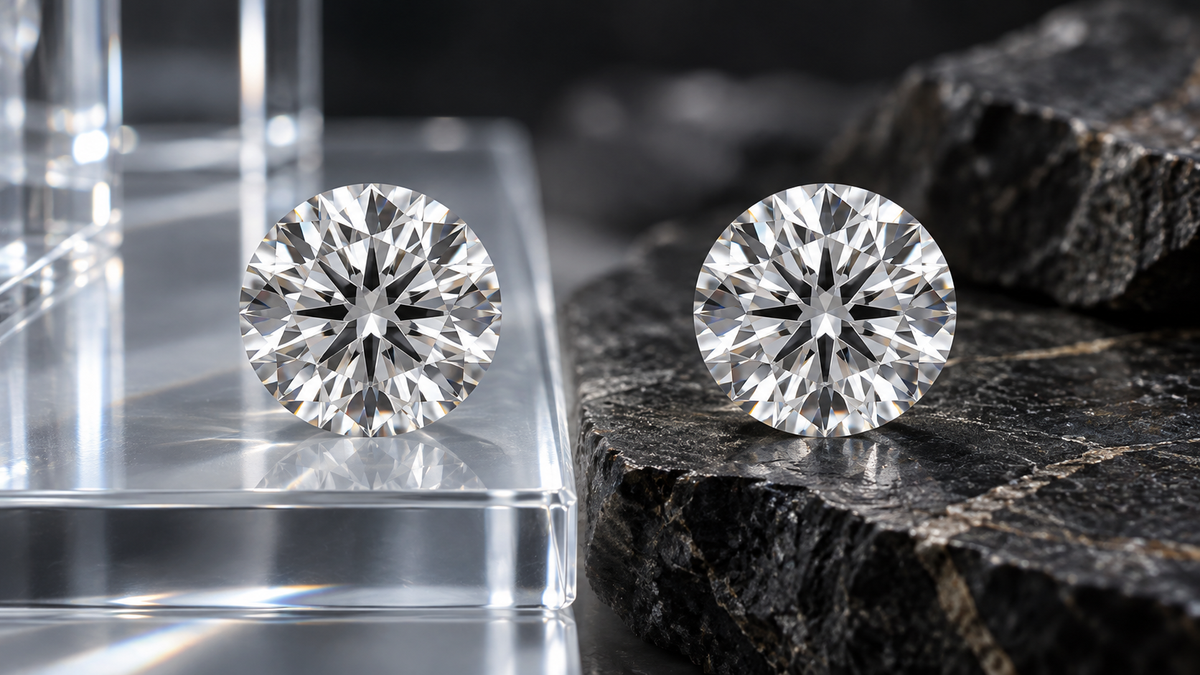
To the unaided eye, a well-cut lab-grown diamond and a well-cut mined diamond can look the same. A diamond’s visible beauty depends more on its individual cut, color, clarity, carat weight, and craftsmanship than on whether it grew underground or in a laboratory.
Like mined diamonds, lab-grown diamonds are available in different shapes, sizes, colors, and clarity levels. They can also have inclusions, because growth—whether in nature or a controlled environment—is not always perfectly uniform.
That means quality still matters. A lab-grown diamond should be evaluated thoughtfully, just as a mined diamond should.
Are Lab-Grown Diamonds Graded and Verified?
Yes. Independent gemological laboratories can identify a diamond’s origin and document its quality characteristics. The exact terminology and report format vary by laboratory.
For example, the International Gemological Institute provides reports for lab-grown diamonds that document characteristics such as cut, color, clarity, and carat weight. GIA currently offers a separate Laboratory-Grown Diamond Quality Assessment for qualifying colorless to near-colorless stones, classifying their overall quality as Premium or Standard and laser-inscribing the girdle with “Laboratory-Grown” and an assessment number.
This disclosure matters because it confirms what the customer is purchasing. When reviewing any diamond jewelry, look for transparent product information and ask whether an independent report accompanies the stone when certification is important to you.
What About Environmental and Ethical Considerations?
For buyers who prefer to avoid new diamond mining, lab-grown diamonds offer a clear alternative. Their production does not require extracting rough diamonds from the earth, and their origin may be easier to trace through a controlled supply chain.
However, it is important to avoid broad claims that every lab-grown diamond is automatically sustainable. Producing diamonds in a laboratory requires energy, and the environmental footprint can vary according to the technology, facility, and energy source used. Mining practices also vary greatly among producers and locations.
The most informed choice is to look for transparency rather than relying on a single label. For many shoppers, avoiding mining while choosing a real diamond remains an important reason to select lab-grown.
Do Mined Diamonds Hold Their Value Better?
Natural diamonds are limited by geology and have a longer-established resale market. That rarity and history can matter to buyers who place a high value on natural origin, tradition, or collectability.
Lab-grown diamonds are produced through continually improving technology, and their retail prices have generally declined as supply has expanded. They should be purchased primarily for their beauty and enjoyment—not with the expectation that they will appreciate in value.
It is also important to remember that most jewelry, including many mined-diamond pieces, sells on the secondary market for less than its original retail price. Neither type of diamond should automatically be treated as a financial investment.
If future resale is your leading priority, research the specific stone, documentation, market, and retailer policies before buying. If your priority is maximizing beauty and diamond presence for your budget, lab-grown diamonds may offer greater immediate value.
Why Might Someone Still Choose a Mined Diamond?
A mined diamond may be the right choice for someone who is drawn to its ancient geological history, natural rarity, traditional symbolism, or more established collector and resale market.
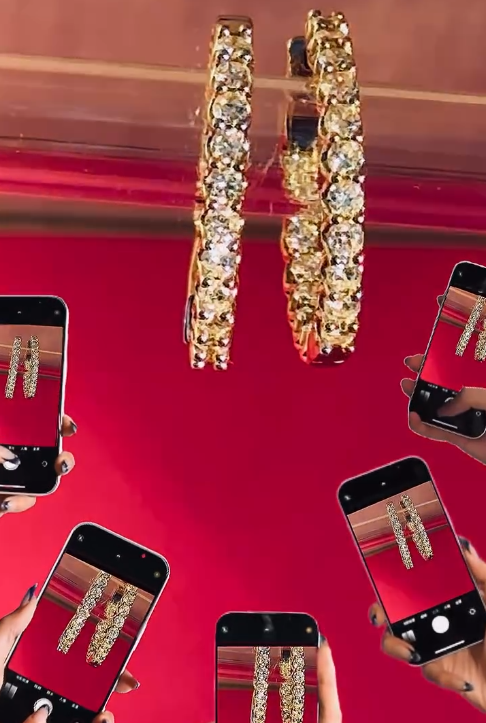
There is no need to dismiss one kind of diamond to appreciate the other. A jewelry collection can include both: a family heirloom set with mined diamonds and a modern lab-grown tennis bracelet, pair of statement hoops, or everyday ring.
The best choice is the one that reflects your values, style, budget, and reason for buying.
Why More Women Are Choosing Lab-Grown Diamond Jewelry
Lab-grown diamonds have changed what everyday diamond jewelry can look like. Instead of saving diamonds only for engagements, anniversaries, or formal events, women can choose substantial, beautifully designed pieces to wear as part of daily life.
Lab-grown diamonds are especially appealing for shoppers who want:
-
A real diamond with the familiar brilliance and durability of a mined diamond
-
More carat weight or visual impact for their budget
-
A non-mined option with a clearly disclosed origin
-
The freedom to wear larger diamond jewelry more often
-
Modern luxury that feels attainable rather than untouchable
They are not “fake” diamonds or a temporary substitute for something better. They are a different way of creating the same precious material—and a modern option for people who want their jewelry to be worn, loved, and enjoyed.
Lab-Grown vs. Mined Diamonds: Which Should You Choose?
Choose a mined diamond if its natural rarity, geological story, tradition, or established secondary market is central to what the piece means to you.
Choose a lab-grown diamond if you want genuine diamond beauty, greater size or quality for your budget, a non-mined origin, and the freedom to make diamonds part of your everyday style.
At Tara’s Vault, our focus is lab-grown diamond jewelry because we believe modern innovation has made extraordinary sparkle more accessible. Our pieces are designed to be mixed with the jewelry you already own—including treasured mined-diamond heirlooms—and worn confidently from everyday moments to unforgettable occasions.
Your jewelry does not have to follow someone else’s definition of luxury. It should reflect your life, your values, and your style.
Discover lab-grown diamond jewelry from Tara’s Vault—because your life deserves diamonds.